
Protecting Children: Where to Turn for Abuse, Neglect, and Foster Care Concerns
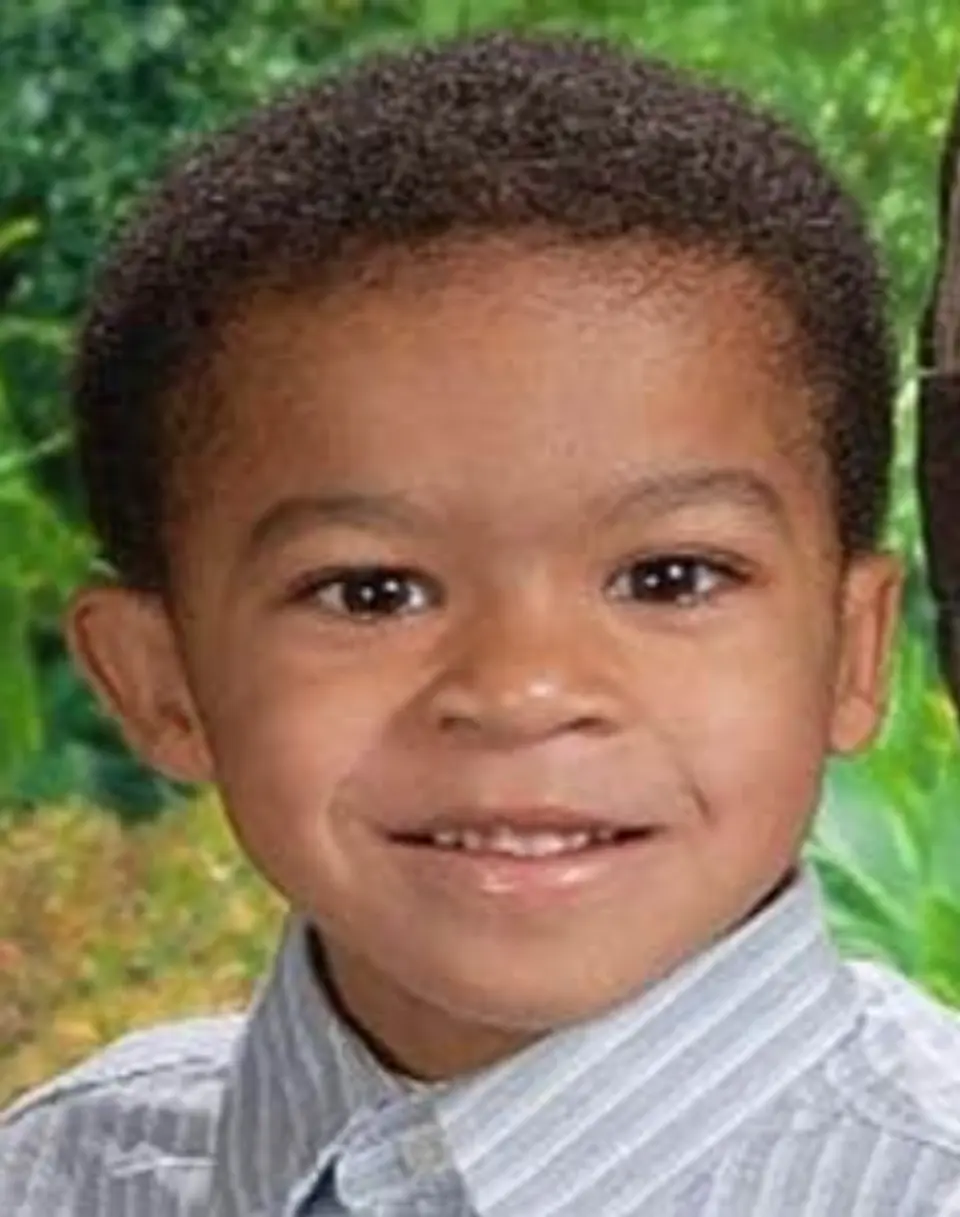
Our latest episode talks about the story of Hassani Campbell, a five year child with cerebral palsy who went missing while in foster care, being cared for by his aunt and her fiance.
I(f you haven't heard Hassani's story yet, please click the link to take you to his episode.)
Hassani Campbell’s story raises difficult questions about protecting children, supporting children with disabilities, and responding when concerns arise in foster or kinship care. Sharing these stories can also help someone recognize a concern and know where to turn.
The following resources serve people throughout the United States. They address the broader issues discussed in our episode and do not establish what happened to Hassani or assign responsibility for his disappearance.
If a child is in immediate danger, call 911.
If a child is being attacked, has a serious injury, or faces an immediate threat, call 911. Give the dispatcher the child’s location and explain what is happening. Do not wait for a caseworker or complaint office to return your call.
Reporting Suspected Child Abuse or Neglect
To make an official report, contact the appropriate child protective services agency, sometimes called CPS, Children Services, or the Department of Children and Families. Contact law enforcement about violence or other suspected crimes.
Reporting agencies and telephone numbers vary by location. Use Childhelp’s nationwide reporting directory to find your state’s agency, then follow the link to its official website for current reporting instructions.
You do not need to investigate a concern yourself before contacting authorities. Explain what you personally saw or heard, distinguish it from information others supplied, and let the agency assess it.
If you are a mandated reporter, follow the requirements that apply to your profession and location. Telling a supervisor or calling a support hotline may not fulfill your legal reporting obligations.
Unsure Where to Begin? Contact Childhelp
The Childhelp National Child Abuse Hotline provides support and guidance to children, concerned adults, survivors, and caregivers.
-
Call or text: 1-800-422-4453
-
Online chat and reporting directory: childhelphotline.org
-
Availability: 24 hours a day, seven days a week
-
Learn more: What to expect when contacting Childhelp
Childhelp is a support hotline, not an official abuse reporting line. Counselors can help you understand your options and find the appropriate reporting agency. They do not investigate allegations or replace CPS, law enforcement, or 911.
Confidentiality has limits, including circumstances in which identifying information about a child being harmed must be shared with authorities.
Concerns About Children in Foster or Kinship Care
Suspected abuse or neglect in a foster home, relative placement, group home, or residential program should be reported to the appropriate child protective services agency or law enforcement.
A child’s existing involvement with the child welfare system does not mean a new concern has already been reported.
For problems involving placement, services, rights, or an agency’s response, possible contacts include:
-
The child’s caseworker and the caseworker’s supervisor.
-
The child’s attorney, guardian ad litem, or assigned court advocate.
-
The agency’s formal grievance or complaint office.
-
A child welfare or foster care ombudsman, where available.
-
The licensing agency responsible for the home or facility.
Ask the child welfare agency for its written complaint procedure and the contact information for any independent oversight office. Responsibilities and authority vary by location.
These complaint channels supplement an abuse report; they do not replace one. If a child faces immediate danger, call 911.
Support for Children With Disabilities
Children with disabilities deserve safety, appropriate care, accessible communication, and adults who take their concerns seriously.
When reporting a concern, explain any communication needs, mobility limitations, medical needs, or dependence on caregivers that may affect the child’s safety. A child who communicates differently still deserves to be heard.
For disability-related abuse, neglect, discrimination, or difficulty obtaining services, contact your state or territory’s Protection and Advocacy agency.
-
Nationwide directory: National Disability Rights Network member agencies
-
Information about disability advocacy: ndrn.org
These agencies provide disability rights advocacy. Their services are an additional resource, not a substitute for emergency services or an official child abuse report.
If a Child Is Missing
Contact local law enforcement immediately. Then contact the National Center for Missing & Exploited Children (NCMEC).
-
Phone: 1-800-843-5678 — 1-800-THE-LOST
-
Website: missingkids.org
-
Steps to take: What to do if your child is missing
Provide a recent photograph, the child’s description, last known location, clothing, and relevant medical or disability information. NCMEC can assist families and investigating agencies with resources and search support.
Help for Families Experiencing Domestic Violence
When relationship abuse affects a household, caregivers may need help planning for their own safety and their children’s safety.
The National Domestic Violence Hotline offers support, safety planning, and referrals.
-
Call: 1-800-799-7233
-
Text: START to 88788
-
Online chat: thehotline.org
-
Availability: 24 hours a day, seven days a week
This is a support service, not a CPS reporting line. If someone monitors your phone or internet use, seek help from a safer device when possible. Call 911 for immediate danger.
Practical Support for Families and Caregivers
Families sometimes need help with food, housing, health care, or other basic needs. Connecting them with support can be an important step.
-
Call: 211
-
Website: 211.org
211 connects callers with local community resources. Available services vary by location. Financial hardship alone should not be treated as evidence that a caregiver is harming a child.
Caregivers who feel overwhelmed or worry they might hurt a child can also contact Childhelp at 1-800-422-4453 for support and guidance. If there is an immediate risk of harm, call 911.
What to Share When Making a Report
Provide what you know, including:
-
The child’s name, approximate age, and location.
-
Specific incidents, dates, injuries, or threats.
-
What you personally witnessed.
-
The child’s own words, if they disclosed harm.
-
Immediate safety concerns and relevant medical or disability needs.
Do not delay a report because some information is missing.
If a child tells you about harm, listen calmly. Avoid repeated or leading questions, promises of secrecy, or confronting the suspected abuser. Let the child know they did the right thing by telling you.
Keep a private record of the agency contacted, the date, and any reference number provided. Report new incidents or worsening danger promptly.
Every Child Deserves Protection
Every child deserves to be heard, protected, and cared for. If a story shared on Where Are They? Podcast has brought a concern to mind, use these resources to reach someone who can help.
Please direct urgent safety concerns to the appropriate agency rather than sending them to the podcast or posting a child’s private information publicly.
These resources are intended for United States readers. Telephone numbers and services can change; consult the linked websites for current information. For immediate danger, call 911.
Benita Woody Disappeared After Moving to Texas. Days Later, Her SUV Was Found Abandoned in Oklahoma.


