
The Disappearance of Ella Mae Begay: Five Years Later, the Beloved Navajo Weaver Remains Missing
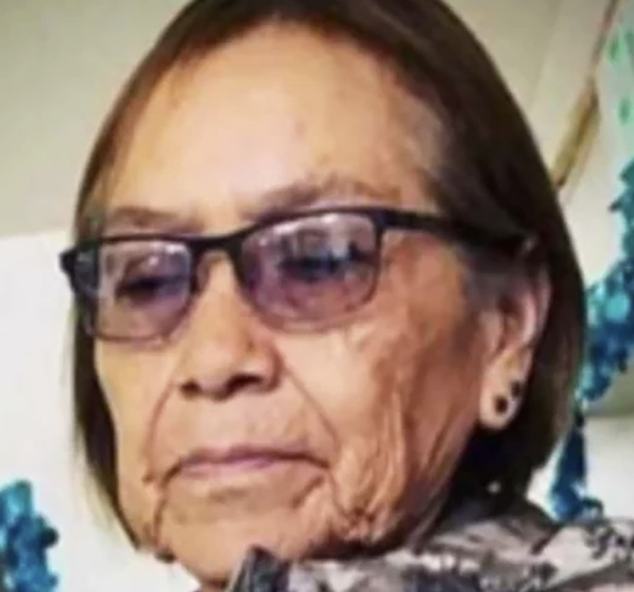
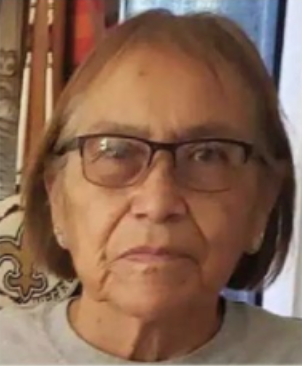
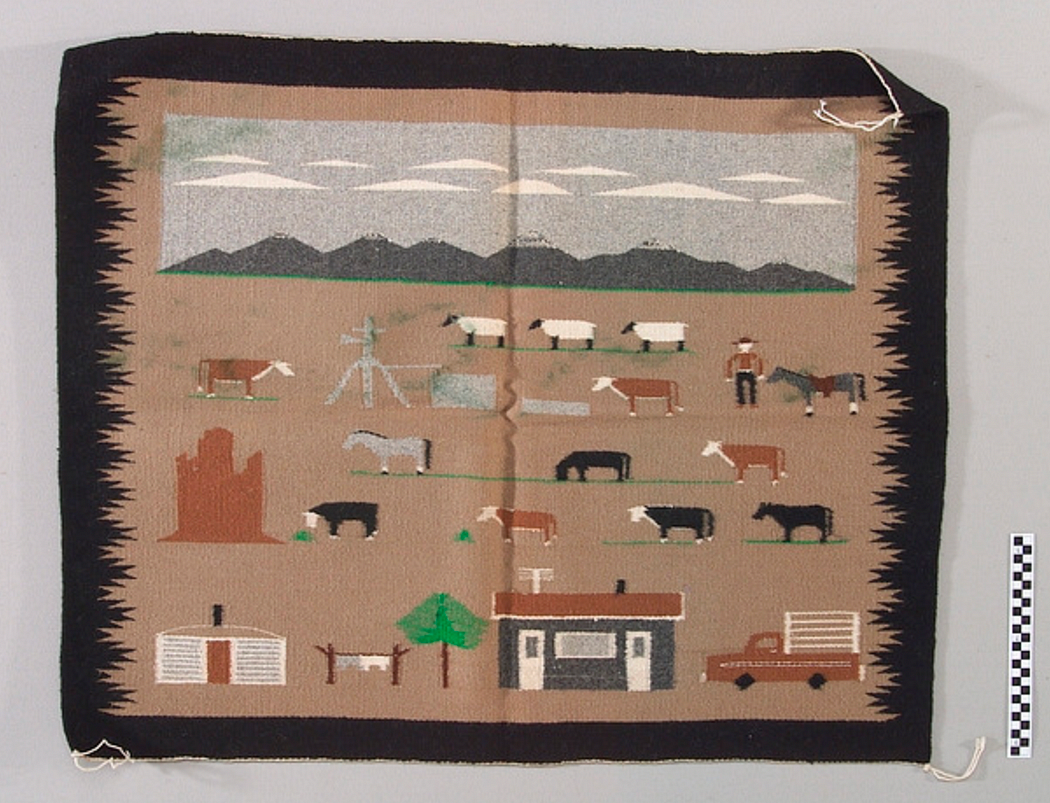
Ella Mae Begay spent countless hours weaving intricate rugs that told stories through colorful patterns and scenes inspired by her Navajo heritage. A master weaver and respected elder, Begay was well known throughout the Navajo Nation, and those who knew her remember her as a kind and beloved member of the community.
But in June 2021, something unexpected happened.
Shortly after 2 a.m. on June 15, a neighbor reported seeing Begay getting into her silver Ford F-150 with another person. For family members, the sight would later seem highly unusual. At 62 years old, Begay lived a quiet life and rarely left home without telling someone where she was going.
Later that morning, her daughter walked the short distance from her own home next door to check on her mother. What she found immediately raised alarm. Begay’s truck was gone, and the front door appeared to have been forced open.
Authorities were called, and because of the remote location of Sweetwater, Arizona, officers had to travel more than 70 miles to reach the scene.
When investigators arrived, they quickly concluded that something was wrong.
Ella Mae Begay had vanished.
Who Was Ella Mae Begay?
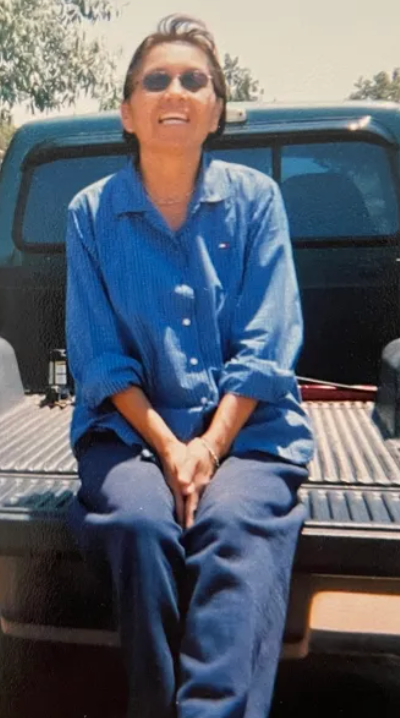
Ella Mae Begay was born and raised on the Navajo Nation and spent nearly her entire life living on the reservation in Arizona. From an early age, she learned the traditional art of Navajo rug weaving, a skill passed down through generations.
Over the years, Begay perfected her craft and became known throughout the Navajo Nation for her beautiful handmade rugs. Her work was admired by collectors and visitors from around the world, and many of her creations found homes far beyond the Southwest.
But those closest to her say her greatest accomplishment was her family.
Begay raised three children while maintaining the traditional lifestyle she cherished. She remained deeply connected to her Navajo roots and was regarded as a respected elder within her community.
When the COVID-19 pandemic began in 2020, Begay largely stayed at home. Living in the remote desert community of Sweetwater, Arizona, she embraced a quiet and peaceful lifestyle. Her home was completely off-grid, and for years she relied on oil lamps and candles because she had no electricity.
In early 2021, she installed solar panels, allowing her to enjoy electricity in her home for the first time.
Her daughter lived next door, and only a handful of neighbors lived within sight of her property. The nearest main road was approximately ten miles away.
Begay lived alone, continued weaving her rugs, and enjoyed the simple life she had built for herself.
In June 2021, her son Gerald, who lived in Denver, spoke with his mother and made plans to visit. Because of the pandemic, the family had not seen one another in more than a year, and Gerald hoped to bring his children to Arizona soon.
Neither of them knew that it would be one of the last conversations they would ever share.
The Disappearance
On the morning of June 15, 2021, Ella Mae Begay’s daughter walked the short distance from her own home to check on her mother. The two lived next door to one another, separated by only about 50 yards.
The previous night, there had reportedly been a man near the property, and although the exact details surrounding that incident have never been publicly discussed, the activity had caused concern.
As Begay’s daughter approached the house, she immediately noticed something unusual.
Her mother’s silver Ford F-150 pickup truck was gone.
The sight instantly raised alarm. Ella Mae rarely left home without telling family members where she was going, and it was completely out of character for her to disappear without explanation.
Growing increasingly worried, her daughter hurried toward the house.
What she found only deepened her fears.
The front door was standing open, and there appeared to be signs that it had been forced open. Combined with the missing truck, the scene convinced her that something was wrong.
At 10:55 a.m., she contacted authorities.
Because of the remote location of Sweetwater, investigators had to travel more than 70 miles to reach the property. While waiting for law enforcement to arrive, family members began searching for clues and contacting anyone who may have spoken with Ella Mae recently.
Hours later, investigators finally arrived and surveyed the scene.
After speaking with family members and examining the property, authorities reached the same conclusion that Ella Mae’s daughter had already feared.
Something was terribly wrong.
Ella Mae Begay had disappeared.
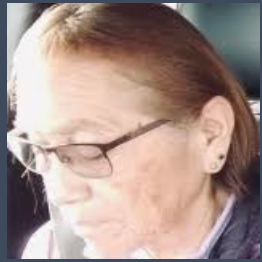
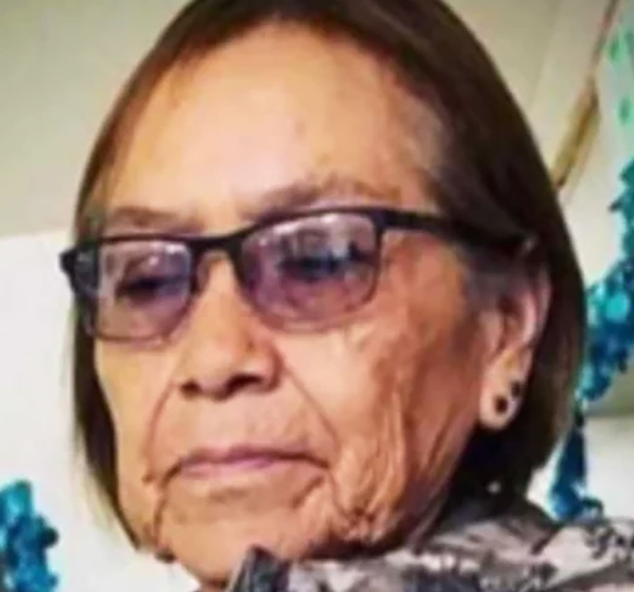
At the time of her disappearance, Ella Mae was 62 years old. She was known as a talented Navajo rug weaver, a loving grandmother, and a respected elder in her community.
Her sudden disappearance shocked those who knew her.
Friends and family described Begay as a homebody who enjoyed the quiet life she had built in Sweetwater. She rarely traveled, especially after the COVID-19 pandemic began, and there was no indication that she had planned to leave home voluntarily.
As concern spread throughout the community, search efforts quickly began.
But in the coming days, investigators would uncover clues that only deepened the mystery surrounding what had happened to the beloved Navajo elder.
The Search and Investigation
As investigators began searching for Ella Mae Begay, a BOLO — or “Be On the Lookout” alert — was issued for her missing vehicle, a silver Ford F-150 pickup truck.
That same afternoon, Begay’s son, Gerald, received the devastating phone call informing him that his mother was missing.
He later recalled immediately feeling that something was terribly wrong. The last time he had experienced that same sick feeling was two decades earlier, when he received the call informing him that his father had been murdered.
Without hesitation, Gerald left work and began the drive from Denver to Sweetwater, Arizona, to help search for his mother.
Meanwhile, investigators received an important piece of information from a neighbor. According to the witness, Ella Mae had been seen getting into her truck with another person and driving away around 2 a.m. on June 15.
The information raised even more questions.
Why would Ella Mae be leaving her home in the middle of the night? And who was the person seen with her?
Searching the Vast Desert
Search teams quickly expanded their efforts across the remote desert landscape surrounding Sweetwater. The terrain presented enormous challenges.
The Navajo Nation spans more than 17 million acres across Arizona, New Mexico, and Utah. The region surrounding Begay’s home consists largely of isolated desert, with homes separated by great distances and few major roads.
Investigators utilized specially trained K-9 teams, drones, ATVs, and volunteers in an effort to cover as much ground as possible.
At the same time, authorities recognized that because Ella Mae’s truck was missing, she could have been taken far beyond the immediate area.
In the early days of the investigation, officials released very little information publicly. Family members and community members desperately searched for answers while investigators quietly continued their work behind the scenes.
Attention Turns to Preston Tolth
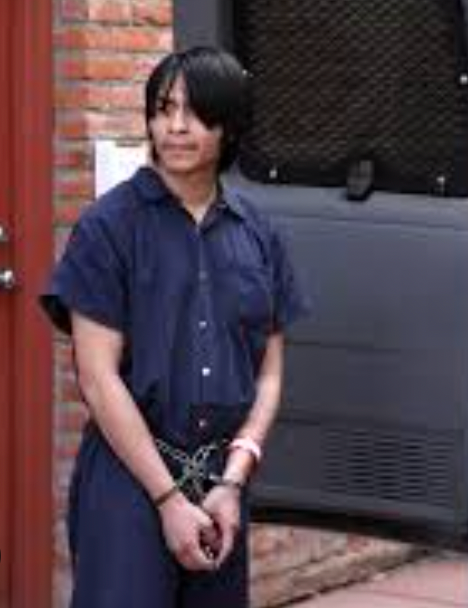
As investigators gathered additional information, attention eventually focused on 21-year-old Preston Tolth.
Tolth’s father had been dating Ella Mae’s sister, meaning there was a family connection between the two.
On June 17, 2021, just two days after Begay disappeared, Tolth was arrested on unrelated battery and domestic violence charges. While in custody, investigators questioned him about Ella Mae’s disappearance.
At the time, Tolth denied any involvement and claimed he had no knowledge of what had happened to Begay or her missing truck.
Three days after Begay vanished, officials reclassified the investigation as a homicide. Investigators have never publicly revealed exactly what evidence led them to make that decision so quickly.
Because the disappearance occurred on the Navajo Nation, federal authorities, including the FBI, joined the investigation alongside tribal law enforcement.
Searches continued throughout northern Arizona and into neighboring San Juan County, Utah. Volunteers from across the region joined professional search teams in an effort to bring Ella Mae home.
A Family Refuses to Give Up
As weeks turned into months, Begay’s family became increasingly frustrated by the lack of answers.
Although investigators continued to pursue leads, no physical evidence was publicly disclosed, and Ella Mae remained missing.
One of her strongest advocates became her niece, Seraphine Warren.
Warren used social media to keep her aunt’s case in the public eye and organized events to demand answers. She led walks to the Navajo Nation President’s residence and even participated in efforts that brought awareness to Washington, D.C., highlighting not only Ella Mae’s disappearance but the broader crisis of Missing and Murdered Indigenous Women.
As time passed, Ella Mae Begay’s face became recognized far beyond the Navajo Nation.
Yet despite the growing attention and public support, her family still had no answers.
And Ella Mae Begay had still not been found.

Preston Tolth and the Legal Battle
As the investigation continued, many questions remained unanswered. Although authorities had identified 21-year-old Preston Tolth as a person of interest, it would take months before his name was publicly released.
In March 2022, nearly nine months after Ella Mae Begay disappeared, investigators officially identified Tolth as a person of interest in the case.
Over time, information began to emerge through court documents and legal proceedings. According to statements later attributed to Tolth, he admitted that during the late-night hours of June 14 and the early morning of June 15, 2021, he intended to steal Ella Mae’s truck and sell it for money and drugs.
Tolth later claimed that Begay was inside the vehicle when he drove away. According to his account, she attempted to stop him, and he physically assaulted her before forcing her from the truck and leaving her along the roadside.
He also stated that he drove the stolen Ford F-150 into New Mexico and sold it.
To this day, neither Ella Mae nor her truck has ever been found. Authorities have never publicly identified who allegedly purchased the vehicle or where it ultimately ended up.
Charges Filed
In April 2023, nearly two years after Begay’s disappearance, a federal grand jury indicted Preston Tolth on charges of assault resulting in serious bodily injury and carjacking resulting in serious bodily injury.
Despite widespread belief that Begay had been murdered, prosecutors did not file homicide charges. Without a body and with limited physical evidence, they believed they could not prove a murder case beyond a reasonable doubt.
For Ella Mae’s family, however, the criminal charges represented hope. They hoped the legal process would eventually provide answers about what happened to their loved one and, most importantly, reveal where she could be found.
A Major Setback
Tolth remained in custody awaiting trial. But before the case could go before a jury, a major development changed everything.
A federal judge ruled that statements Tolth made during police questioning could not be used at trial. The court determined that investigators had failed to properly honor his decision to remain silent after he invoked his Miranda rights.
The ruling dealt a significant blow to the prosecution’s case.
As trial approached, both prosecutors and defense attorneys began negotiating a plea agreement.
The First Plea Agreement
In January 2026, Tolth entered into a plea agreement in which he admitted to robbing Ella Mae Begay and acknowledged assaulting her.
The proposed agreement would have resulted in approximately time served — roughly three years in custody — and would have allowed Tolth to be released from prison.
The proposal devastated Begay’s family and many members of the Navajo Nation. Relatives publicly opposed the agreement and argued that Tolth should not receive leniency without revealing what happened to Ella Mae.
A Judge Rejects the Deal
On April 9, 2026, U.S. District Judge Douglas Rayes rejected the plea agreement after hearing emotional testimony from members of Begay’s family.
For a brief time, it appeared the family had won a small victory.
But only one week later, prosecutors and defense attorneys negotiated a second agreement.
Under the revised plea deal, Tolth again pleaded guilty to robbery, but this time faced a sentence of up to five years in federal prison, with credit for the time he had already served.
The Final Plea Agreement
On May 8, 2026, Judge Rayes accepted the revised agreement and sentenced Tolth to five years in federal prison.
As part of the deal, prosecutors dismissed the assault charge and agreed not to pursue any future charges related to Ella Mae Begay’s disappearance.
For Begay’s family, the outcome was heartbreaking.
Nearly five years after Ella Mae vanished, her loved ones still had no answers about where she was. Although Tolth had admitted to stealing her truck and assaulting her, the woman known throughout the Navajo Nation for her beautiful rugs and generous spirit had never been found.
And for many, true justice remained out of reach.
The Legacy of Ella Mae Begay and the MMIW Crisis
Today, nearly five years after her disappearance, Ella Mae Begay remains missing.
Searches have stretched across northern Arizona, Utah, and New Mexico. Her silver Ford F-150 has never been recovered, and despite years of investigation, her family still does not know where their mother, grandmother, aunt, and beloved elder is.
Yet Ella Mae’s story has become much larger than one case.
Her disappearance helped bring national attention to the Missing and Murdered Indigenous Women crisis, often referred to as MMIW. Indigenous women and girls experience disproportionately high rates of violence, homicide, and disappearance, and many families struggle with limited resources, jurisdictional challenges, and a lack of media attention.
Through their advocacy, Ella Mae’s family refused to let her story be forgotten.
Her niece, Seraphine Warren, became one of the most visible voices fighting for answers. She organized awareness events, participated in marches, and brought attention not only to her aunt’s case, but to the countless Indigenous families still searching for loved ones.
Ella Mae Begay spent her life preserving Navajo traditions through her weaving. Even after her disappearance, her story has continued to make an impact, inspiring conversations and bringing awareness to families who have long felt unheard.
While many believe they understand the general circumstances surrounding what happened to Ella Mae, one painful question remains unanswered:
Where is she?
Description and How to Help
Ella Mae Begay was 62 years old when she disappeared from Sweetwater, Arizona, on June 15, 2021. She stood approximately 5 feet tall, weighed about 125 pounds, and had black hair and brown eyes. Her silver 2005 Ford F-150 pickup truck also remains missing.
Anyone with information about Ella Mae Begay’s disappearance is urged to contact the FBI Albuquerque Field Office at 1–800-CALL-FBI (1–800–225–5324) or submit a tip online at tips.fbi.gov. Information can also be provided to the Navajo Nation Police Department.
*************
Ella Mae’s case also highlights the broader Missing and Murdered Indigenous Women (MMIW) crisis affecting Native communities across North America. We encourage readers to learn more about this issue and support organizations working to raise awareness and advocate for Indigenous families still searching for answers.
Additional resources:
• National Indigenous Women’s Resource Center (NIWRC): www.niwrc.org
• Sovereign Bodies Institute: www.sovereign-bodies.org
• FBI Indian Country Program: www.fbi.gov/investigate/violent-crime/indian-country-crime
• Missing and Murdered Indigenous Relatives Resource Center: www.bia.gov/service/mmu/missing-and-murdered-indigenous-people-crisis
Every missing person deserves to be remembered, and every family deserves answers.
Benita Woody Disappeared After Moving to Texas. Days Later, Her SUV Was Found Abandoned in Oklahoma.


